Men’s centers and men’s groups are sprouting up across academia. They are not uniform in their scope. They may be run mostly by students, receive little funding, focus on general men’s issues, and just provide a place for men to hang out. Or they may be primarily run by a staff of faculty and one or more administrators, receive more funding (through a grant or community-wide donations), and focus on education, mentoring, and character-building.
The new men’s center at Lone Star College would fall in the latter category. The Observer, a local newspaper, reports on the matter (my comments are interspersed):
Representatives from LSC-K and the community celebrated the opening of the Men’s Center Aug. 22, a first of its kind resource center for men where they can receive academic coaching, mentoring, journeymen meetings, fitness challenges, recreational activities and resources from the area including local agencies and services to help in times of need.
Excellent! May we assume that “agencies and services to help in times of need” includes men who are at-risk of suicide, since men and boys make up 80% of suicides, a phenomenon which spikes among high school/college-age males ages 15-24? Or is it set up to help in times of financial need? Or is it just some good general counseling? Regardless, I very much like the acknowledgment that men can at times be people who are in need.
Passers-by might be tempted to regard the establishment of this men’s center as an isolated event. While it is true that the overwhelming majority of gender-based outreach in academia is geared toward helping women and girls, the LSC Men’s Center is connected to something larger than itself.
I remember seeing representatives from Lone Star College host one of the breakaway/roundtable sessions at the 2012 symposium hosted by Project MALES at UT Austin (I covered my observations over the course of attending three Project MALES symposia, as well as volunteer work, in an earlier post). LSC is also part of the network called the Texas Education Consortium for Male Students of Color, a network of higher education representatives which “seeks to stimulate new male-focused initiatives within Texas colleges and universities,” and launched in 2013 by Project MALES.
The article continues:
The Journeymen Meetings are thought provoking discussions that will cultivate a sense of personal purpose, enhance one’s understanding of manhood and encourage men to become leaders.
Quick question: what is meant by “enhancing one’s understanding of manhood?” Do you mean that you intend to teach men how to “be men”? And if so, who gets to define what a “real man” is?
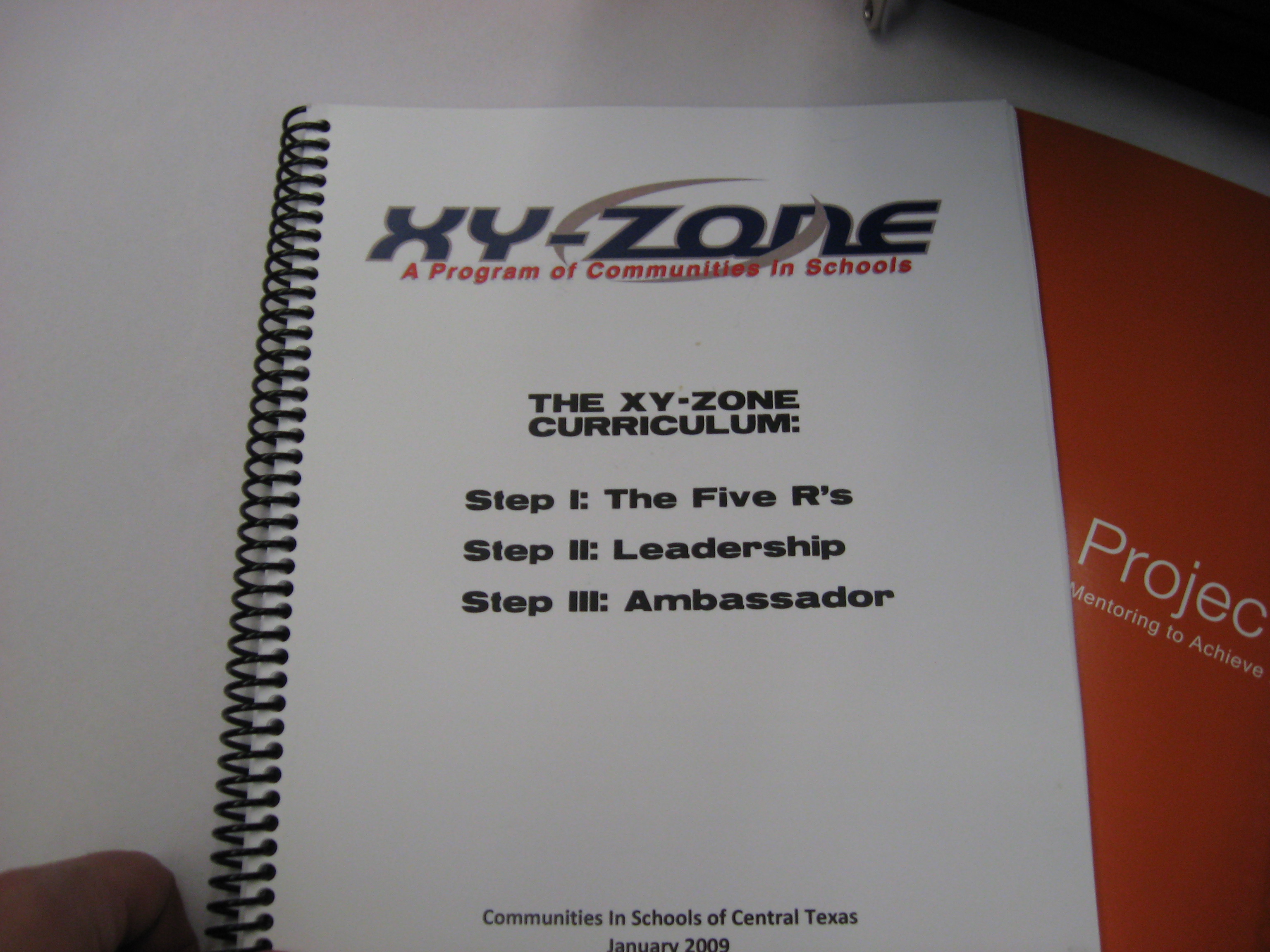
When I went to the 2012 Project MALES symposium, I was granted permission to read the curriculum of XY Zone, a mentoring program that at times encouraged male students to discuss the identity of manhood. Most such discussion questions in the curriculum were open-ended, seeming to allow each individual male student to decide what he thought a man should be. Open-ended questions, however, do leave more power up to the instructor than we may realize; I know from my tutoring days that non-directive questions – when done right – are often more effective and driving a point home than direct questions.
The Observer next reads:
“Boys to men, men to leaders and leaders to catalysts for change in our community; that is our mission,” Dr. Darrin Rankin, vice president of student success at LSC-K, said. “We intend to help our young men and not-so-young men to make better decisions and to be informed on important issues as well as understand that they matter.
The director of LSC-K’s Men’s Center will be Waymond Wesley who will work with the local school districts to encourage a college-going culture among men in the community.
“We are very excited about this new opportunity for our students. The Men’s Center has been a long time coming,” LSC-K President Dr. Katherine Persson said at the ceremony. “Through our research, we have found that fewer males than females finishing high school and even less males going into higher education. We need to meet these challenges before they get to a point where they will not continue with their education.
“With the data we found, we discovered that 60 percent of all degree holders nationally are female. If we are looking at the future and want to close the gap, we need to focus on our male population.”
They formed a coalition with school districts where they have representation from the Humble, Splendora, New Caney and Cleveland Independent School Districts. They will have volunteers from these districts to work with Rankin and Wesley on holistic programs that serve men in the community.
They also hope the Men’s Center will be a place where they can talk with men about family and why it’s important as well as taking responsibility in the community.
They will also host forums and town hall-style gatherings where they have the opportunity to discuss issues that affect them.
“I am excited as I can be for the Men’s Center. Our mission is to provide comprehensive support services for men,” Wesley said. “We want to see men increase their academic achievement. There are some guys here who will be the first in their family to graduate from college; we want to be their resource and help them graduate. I am grateful for this opportunity to help men in our community become successful.”
For now, it seems that mentoring programs – something Project MALES and the LSC Men’s Center share – seem to be an attractive (if not preferred) option for schools that wish to do something for male students who are falling behind. As a further example of this preference, the website 100 Black Men of America lists over 100 mentoring programs offered by schools around the U.S. for black males. Why might mentoring be a preferred option?
Mentoring programs are less controversial than other education programs, such as single-sex classrooms. While they do have their advantages, such as the introduction of positive male role-models into the lives of young men who lack them, as well as helping students with academic work, they do possess a distinct flaw when it comes to mentoring males: you can establish and advertise as many mentoring programs as you want, but you can’t guarantee that male students will attend them. Many young men are socialized (if not biologically inclined) to resist acknowledging their own vulnerabilities, and hence are less likely than their female counterparts to initiate and follow through with help-seeking strategies.
This is also why they are the vast majority of suicides.
In 2010, when I was talking to Sarah Rodriguez (then the project coordinator for Project MALES) about mentoring programs, she explained to me the sometimes ethical dilemmas schools face in creating mentoring programs for males, namely: to what extent are schools authorized to tell young men that they must reject their social and biological programming as males? Should schools provide mentoring services for males that are purely academic in nature, or should such programs also actively seek to reconstruct the identities of their students along the lines of gender – sometimes including teaching them to reject some part of their upbringing – so that they would feel more comfortable asking for help in the first place? And how do coaches and mentors navigate any resistance they might encounter in teaching them to re-conceptualize what masculinity might be?
A tricky business!
Thank You for Reading
If you like what you have read, feel free to sign up for our newsletter here:
About the Author
Related Posts



Men’s centers and men’s groups are sprouting up across academia. They are not uniform in their scope. They may be run mostly by students, receive little funding, focus on general men’s issues, and just provide a place for men to hang out. Or they may be primarily run by a staff of faculty and one or more administrators, receive more funding (through a grant or community-wide donations), and focus on education, mentoring, and character-building.
The new men’s center at Lone Star College would fall in the latter category. The Observer, a local newspaper, reports on the matter (my comments are interspersed):
Representatives from LSC-K and the community celebrated the opening of the Men’s Center Aug. 22, a first of its kind resource center for men where they can receive academic coaching, mentoring, journeymen meetings, fitness challenges, recreational activities and resources from the area including local agencies and services to help in times of need.
Excellent! May we assume that “agencies and services to help in times of need” includes men who are at-risk of suicide, since men and boys make up 80% of suicides, a phenomenon which spikes among high school/college-age males ages 15-24? Or is it set up to help in times of financial need? Or is it just some good general counseling? Regardless, I very much like the acknowledgment that men can at times be people who are in need.
Passers-by might be tempted to regard the establishment of this men’s center as an isolated event. While it is true that the overwhelming majority of gender-based outreach in academia is geared toward helping women and girls, the LSC Men’s Center is connected to something larger than itself.
I remember seeing representatives from Lone Star College host one of the breakaway/roundtable sessions at the 2012 symposium hosted by Project MALES at UT Austin (I covered my observations over the course of attending three Project MALES symposia, as well as volunteer work, in an earlier post). LSC is also part of the network called the Texas Education Consortium for Male Students of Color, a network of higher education representatives which “seeks to stimulate new male-focused initiatives within Texas colleges and universities,” and launched in 2013 by Project MALES.
The article continues:
The Journeymen Meetings are thought provoking discussions that will cultivate a sense of personal purpose, enhance one’s understanding of manhood and encourage men to become leaders.
Quick question: what is meant by “enhancing one’s understanding of manhood?” Do you mean that you intend to teach men how to “be men”? And if so, who gets to define what a “real man” is?
When I went to the 2012 Project MALES symposium, I was granted permission to read the curriculum of XY Zone, a mentoring program that at times encouraged male students to discuss the identity of manhood. Most such discussion questions in the curriculum were open-ended, seeming to allow each individual male student to decide what he thought a man should be. Open-ended questions, however, do leave more power up to the instructor than we may realize; I know from my tutoring days that non-directive questions – when done right – are often more effective and driving a point home than direct questions.
The Observer next reads:
“Boys to men, men to leaders and leaders to catalysts for change in our community; that is our mission,” Dr. Darrin Rankin, vice president of student success at LSC-K, said. “We intend to help our young men and not-so-young men to make better decisions and to be informed on important issues as well as understand that they matter.
The director of LSC-K’s Men’s Center will be Waymond Wesley who will work with the local school districts to encourage a college-going culture among men in the community.
“We are very excited about this new opportunity for our students. The Men’s Center has been a long time coming,” LSC-K President Dr. Katherine Persson said at the ceremony. “Through our research, we have found that fewer males than females finishing high school and even less males going into higher education. We need to meet these challenges before they get to a point where they will not continue with their education.
“With the data we found, we discovered that 60 percent of all degree holders nationally are female. If we are looking at the future and want to close the gap, we need to focus on our male population.”
They formed a coalition with school districts where they have representation from the Humble, Splendora, New Caney and Cleveland Independent School Districts. They will have volunteers from these districts to work with Rankin and Wesley on holistic programs that serve men in the community.
They also hope the Men’s Center will be a place where they can talk with men about family and why it’s important as well as taking responsibility in the community.
They will also host forums and town hall-style gatherings where they have the opportunity to discuss issues that affect them.
“I am excited as I can be for the Men’s Center. Our mission is to provide comprehensive support services for men,” Wesley said. “We want to see men increase their academic achievement. There are some guys here who will be the first in their family to graduate from college; we want to be their resource and help them graduate. I am grateful for this opportunity to help men in our community become successful.”
For now, it seems that mentoring programs – something Project MALES and the LSC Men’s Center share – seem to be an attractive (if not preferred) option for schools that wish to do something for male students who are falling behind. As a further example of this preference, the website 100 Black Men of America lists over 100 mentoring programs offered by schools around the U.S. for black males. Why might mentoring be a preferred option?
Mentoring programs are less controversial than other education programs, such as single-sex classrooms. While they do have their advantages, such as the introduction of positive male role-models into the lives of young men who lack them, as well as helping students with academic work, they do possess a distinct flaw when it comes to mentoring males: you can establish and advertise as many mentoring programs as you want, but you can’t guarantee that male students will attend them. Many young men are socialized (if not biologically inclined) to resist acknowledging their own vulnerabilities, and hence are less likely than their female counterparts to initiate and follow through with help-seeking strategies.
This is also why they are the vast majority of suicides.
In 2010, when I was talking to Sarah Rodriguez (then the project coordinator for Project MALES) about mentoring programs, she explained to me the sometimes ethical dilemmas schools face in creating mentoring programs for males, namely: to what extent are schools authorized to tell young men that they must reject their social and biological programming as males? Should schools provide mentoring services for males that are purely academic in nature, or should such programs also actively seek to reconstruct the identities of their students along the lines of gender – sometimes including teaching them to reject some part of their upbringing – so that they would feel more comfortable asking for help in the first place? And how do coaches and mentors navigate any resistance they might encounter in teaching them to re-conceptualize what masculinity might be?
A tricky business!
Thank You for Reading
If you like what you have read, feel free to sign up for our newsletter here:
More from Title IX for All

Advisors for Accused Students
We can help you craft and execute a defense strategy at any stage—from report to investigation to adjudication—with the goal of achieving the best possible outcome.

Accused Students Database
A feature-rich database of lawsuits by accused higher ed students alleging schools violated their rights while investigating sexual misconduct claims.